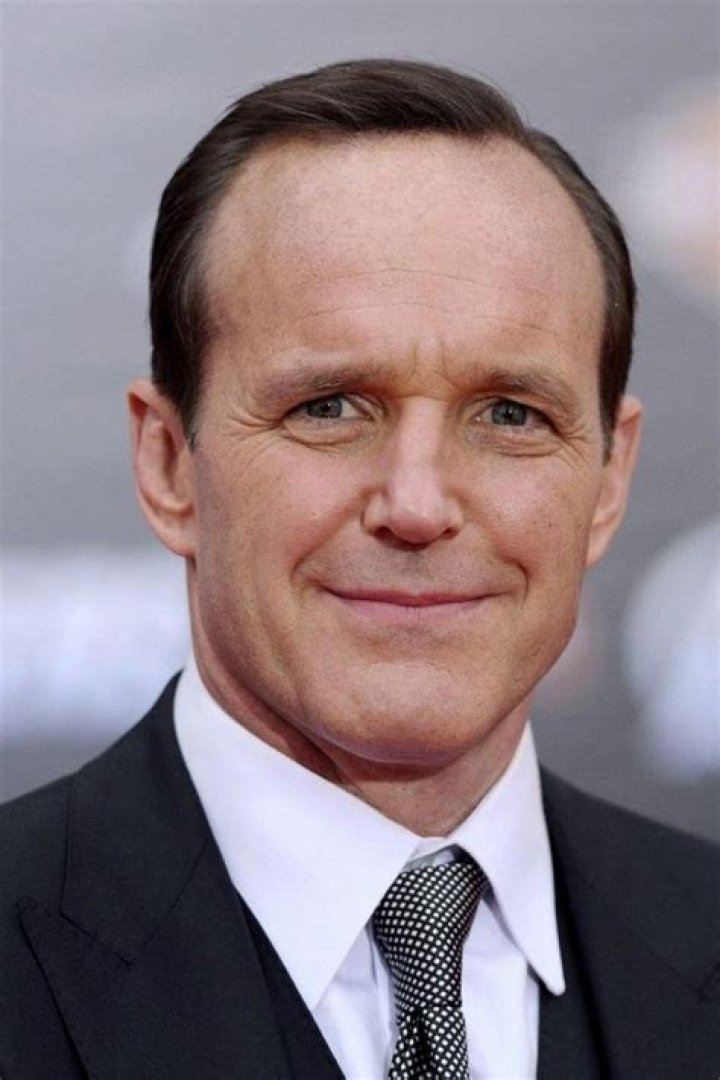
Robert Mitchum, an iconic figure in the realm of classic Hollywood cinema, was born to captivate audiences with his rugged charm and versatile acting skills. Known for his distinctive voice and nonchalant demeanor, Mitchum's birth marked the beginning of a life that would leave an indelible mark on the film industry. As a multifaceted actor, singer, and writer, Mitchum's journey from his early beginnings to becoming a revered star is a tale worth exploring.
Born in the early 20th century, Robert Mitchum's entry into the world was just the start of an extraordinary life filled with challenges and triumphs. From his humble beginnings to his rise as a Hollywood legend, Mitchum's story is one of perseverance, talent, and a bit of rebellion. His early life experiences, which included a stint as a vagabond during the Great Depression, shaped his unique persona and contributed to his eventual success in the entertainment industry.
The life of Robert Mitchum is not just a narrative of personal achievement but also a reflection of the evolving landscape of American cinema. His roles in film noir classics and Westerns, among other genres, showcased his versatility and ability to resonate with audiences across generations. As we delve into the life of this remarkable actor, we'll uncover the influences and experiences that shaped his career and solidified his legacy as one of Hollywood's most enduring stars.
Biography of Robert Mitchum
Robert Charles Durman Mitchum was born on August 6, 1917, in Bridgeport, Connecticut, to James Thomas Mitchum and Ann Harriet Mitchum (née Gunderson). His early life was marked by hardship, as his father, a railroad worker, died in a tragic accident when Robert was just two years old. This event profoundly affected his family, leading them to relocate frequently and face financial difficulties.
Personal Details and Bio Data
| Full Name | Robert Charles Durman Mitchum |
|---|---|
| Date of Birth | August 6, 1917 |
| Place of Birth | Bridgeport, Connecticut, USA |
| Occupation | Actor, Singer, Writer |
| Years Active | 1940–1997 |
| Spouse | Dorothy Spence (m. 1940–1997) |
| Children | 3 (James, Christopher, and Trini) |
| Date of Death | July 1, 1997 |
Early Life and Family Background
Robert Mitchum's upbringing was anything but conventional. After the death of his father, his mother worked as a linotype operator to support the family. Despite the challenges, young Robert displayed a strong sense of independence and adventure. His early years were characterized by frequent relocations, including a significant period in Delaware, where he lived with his maternal grandparents.
During his teenage years, Mitchum's rebellious nature began to surface. He often clashed with authority figures, leading to several expulsions from school. At the age of 14, he left home and traveled across the country as a hobo, hopping freight trains and taking on odd jobs. This period of his life was marked by a sense of freedom and self-discovery, experiences that later influenced his portrayal of complex, rugged characters on screen.
Rise to Stardom
Robert Mitchum's foray into the entertainment industry began somewhat serendipitously. After settling in California in the late 1930s, he joined a local theatre group, which ignited his passion for acting. His big break came when he was cast in the 1944 film "Thirty Seconds Over Tokyo," a role that showcased his natural talent and screen presence.
Mitchum quickly became a sought-after actor, known for his ability to portray complex, morally ambiguous characters. His role as Jeff Bailey in the 1947 film noir classic "Out of the Past" solidified his place as a leading man in Hollywood. This film, along with his performance in "The Night of the Hunter" (1955), remains a testament to his exceptional range as an actor.
Acting Career and Significant Roles
Throughout his career, Robert Mitchum appeared in over 110 films, spanning a variety of genres. He was particularly renowned for his roles in film noir and Westerns, where his stoic demeanor and brooding intensity captivated audiences. Some of his most notable films include "Cape Fear" (1962), "El Dorado" (1967), and "The Friends of Eddie Coyle" (1973).
Mitchum's ability to convey subtle emotions and his distinctive voice made him a favorite among directors and audiences alike. He often portrayed antiheroes, characters who operated outside the bounds of traditional morality, adding depth and complexity to his performances. His collaborations with esteemed directors such as Howard Hawks, Otto Preminger, and Charles Laughton further cemented his status as a versatile and talented actor.
Musical Endeavors
In addition to his illustrious acting career, Robert Mitchum also explored his musical talents. A lover of music, he recorded two albums during his lifetime. His debut album, "Calypso - is like so..." (1957), showcased his affinity for the Caribbean music style and included tracks that he wrote himself. Mitchum's second album, "That Man, Robert Mitchum, Sings" (1967), featured country music, reflecting his diverse musical interests.
His deep, resonant voice lent itself well to both singing and narration, further expanding his repertoire in the entertainment industry. Mitchum's musical endeavors, though not as widely recognized as his acting, demonstrated his versatility and willingness to explore different artistic avenues.
Personal Life and Family
Robert Mitchum's personal life was as colorful and intriguing as his on-screen characters. In 1940, he married Dorothy Spence, with whom he had three children: James, Christopher, and Trini. Despite the challenges of fame and the demands of his career, Mitchum maintained a strong family bond throughout his life.
His marriage to Dorothy lasted until his death in 1997, a testament to their enduring relationship. Mitchum's family life provided him with stability and support, allowing him to navigate the highs and lows of his career with resilience and grace.
Legacy and Impact on Hollywood
Robert Mitchum's contributions to the film industry are immeasurable. Known for his distinctive style and unyielding dedication to his craft, he left a lasting impact on Hollywood and inspired countless actors and filmmakers. His willingness to take on challenging roles and his portrayal of complex characters set a new standard for film acting.
Mitchum's influence extended beyond the screen, as he was known for his candid and sometimes controversial opinions about the industry. His legacy endures through the films he made, the actors he inspired, and the audiences he captivated. He remains a symbol of classic Hollywood, embodying the spirit of a bygone era with his unique blend of charisma and talent.
Controversies and Public Perception
Despite his success, Robert Mitchum's career was not without controversy. In 1948, he was arrested for marijuana possession, an incident that garnered significant media attention and threatened to derail his career. However, Mitchum's reputation as a "bad boy" only seemed to enhance his appeal, and he continued to work steadily in the industry.
Throughout his life, Mitchum's outspoken nature and disdain for Hollywood's conventions often put him at odds with the industry's elite. Nevertheless, his authenticity and refusal to conform to societal expectations endeared him to fans and cemented his status as a Hollywood rebel.
Awards and Honors
Robert Mitchum's talent and contributions to the film industry were recognized with several prestigious awards and honors. He received an Academy Award nomination for Best Supporting Actor for his role in "The Story of G.I. Joe" (1945), and in 1992, he was awarded the Cecil B. DeMille Award for lifetime achievement in motion pictures.
In addition to his formal accolades, Mitchum's enduring popularity and influence on cinema are perhaps the greatest testament to his legacy. His films continue to be celebrated and studied, and his impact on the industry remains profound.
Robert Mitchum in Popular Culture
Robert Mitchum's influence extends beyond his filmography, as he has become a cultural icon referenced in various forms of media. His likeness and persona have been featured in songs, literature, and even other films, reflecting his lasting impact on popular culture.
Mitchum's status as a Hollywood legend has been cemented by his ability to transcend the screen and become a symbol of a particular era of filmmaking. His contributions to the arts continue to resonate with audiences, ensuring his place in the annals of cultural history.
Influence on Modern Cinema
The legacy of Robert Mitchum is evident in the work of contemporary actors and filmmakers who have drawn inspiration from his performances and approach to acting. His ability to portray nuanced, morally complex characters paved the way for a new generation of actors seeking to push the boundaries of traditional storytelling.
Mitchum's impact on modern cinema can be seen in the works of directors who admire his style and have cited him as an influence. His contributions to the film industry continue to be celebrated, and his influence on the art of acting remains significant.
Final Years and Death
In his later years, Robert Mitchum continued to work in film and television, although he gradually reduced his workload. Despite declining health, he remained passionate about his craft and dedicated to his family. On July 1, 1997, Mitchum passed away at the age of 79 at his home in Santa Barbara, California, leaving behind a legacy that continues to inspire and captivate audiences.
Frequently Asked Questions
1. When was Robert Mitchum born?
Robert Mitchum was born on August 6, 1917.
2. What are some of Robert Mitchum's most notable films?
Some of Robert Mitchum's most notable films include "Out of the Past," "The Night of the Hunter," "Cape Fear," and "El Dorado."
3. Did Robert Mitchum have any musical talent?
Yes, Robert Mitchum was also a singer and recorded two albums during his lifetime, showcasing his love for Calypso and country music.
4. How many children did Robert Mitchum have?
Robert Mitchum had three children: James, Christopher, and Trini.
5. Was Robert Mitchum ever nominated for an Academy Award?
Yes, Robert Mitchum received an Academy Award nomination for Best Supporting Actor for his role in "The Story of G.I. Joe" (1945).
6. What is Robert Mitchum's legacy in Hollywood?
Robert Mitchum's legacy in Hollywood is marked by his distinctive acting style, his portrayal of complex characters, and his enduring influence on the film industry.
Conclusion
Robert Mitchum's life and career were characterized by a blend of talent, charisma, and a touch of rebellion that made him a true Hollywood legend. From his humble beginnings to his rise as a star, Mitchum's journey is a testament to his resilience and dedication to his craft. His legacy continues to inspire and entertain, ensuring that his contributions to the arts will be remembered for generations to come.